Scleroderma Clinical Trials

A person with Scleroderma on his hands participates in a clinical research study

Compensation

May Be Provided

For Completed Study

Scleroderma Clinical research study

Diagnosed With Scleroderma?

Do you have Scleroderma? You may qualify for a clinical trial focused on developing new treatment options. Participants may receive compensation for time and travel while contributing to potentially life-changing research.

Learn about eligibility, what to expect during the study, and how your participation could help shape the future of Scleroderma care. Sign up below to see if you qualify!

are you interested in our clinical trial?

Scleroderma Study Eligibility

You could be eligible to participate in one of these research studies if you meet the following criteria:

Scleroderma Trial Eligibility Criteria

  • Age 18-70

  • Diagnosis of Scleroderma within the past 5 years

  • Study lasts up to 2 years with once a month office visits

One central location

Study Location

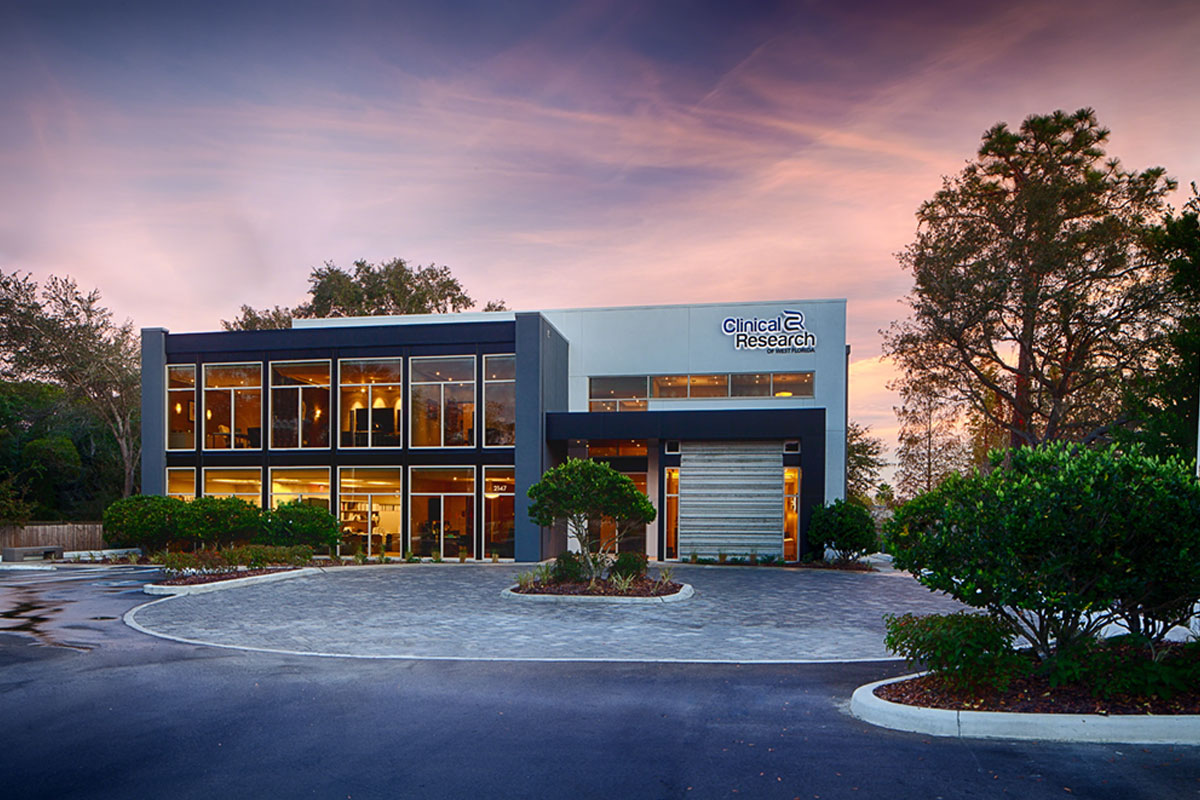
2147 NE Coachman Road
Clearwater, FL 33765
727-466-0078

Indication: Scleroderma

What To Know About Volunteering For Our Scleroderma Clinical Trial

Participating in a clinical trial is completely voluntary, and you’re free to leave the study at any time. The process typically starts by identifying a trial that may be right for you. From there, you’ll speak with the research team to review eligibility, sign an informed consent form, complete screening procedures, and enroll if you qualify.

person participating in a paid scleroderma trial

Step 1:

Determine Eligibility

Speak with our team to see if you qualify for the study.

Person participating in a Scleroderma Clinical Trial at CRWF

Step 2:

Participate In The Study

Attend monthly visits for up to 2 years of research participation.

Patient participating in a paid scleroderma study at Clinical Research of West Florida

Step 3:

Compensation For Time/Travel

Qualified participants may be compensated for time and travel expenses.

Why Join This Scleroderma Clinical Trial?

Individuals with a confirmed Scleroderma diagnosis may qualify to participate in a clinical research study exploring new approaches to manage and treat symptoms.

  • No insurance required

  • Access to potential new treatment options

  • Study-related care and exams at no cost

  • Contribute to advancing Scleroderma research

  • Help improve care for future patients

  • Compensation for time and travel

clinical-trials-driving-medical-innovation

U.S. National Library of Medicine Registered

This clinical trial is officially registered with the U.S. National Library of Medicine. You can view full study details, including eligibility and locations, at ClinicalTrials.gov under study number NCT07287670.

want to learn more?

What is Scleroderma?

Scleroderma is a rare chronic autoimmune disease that causes the body’s immune system to attack healthy tissues, leading to abnormal growth of connective tissue. This results in the hardening and thickening of the skin and, in more severe cases, can affect internal organs such as the lungs, heart, kidneys, and digestive system.

The symptoms of Scleroderma can vary in severity and may include:

  • Tight or thickened skin
  • Raynaud’s phenomenon (cold fingers or toes that change color)
  • Joint pain or stiffness
  • Heartburn or difficulty swallowing
  • Shortness of breath
  • Fatigue
  • Swelling in the hands and feet

While there is currently no cure for Scleroderma, treatments are available to help manage symptoms, slow progression, and improve quality of life. These may include medications to reduce inflammation, improve circulation, and support affected organs, along with physical therapy and lifestyle modifications.

More Detailed Information

Frequently Asked Questions

Scleroderma clinical trials are research studies designed to test new ways to diagnose, treat, or manage the condition. These trials follow a carefully structured process, beginning with eligibility screening and informed consent. Participants may receive investigational treatments or therapies under the supervision of medical professionals. Throughout the study, researchers collect data on safety, effectiveness, and potential side effects to help advance future treatment options for Scleroderma.

Participants can expect to attend regular study visits—typically once a month in this trial—for up to 2 years. These visits may include physical exams, blood tests, questionnaires, and study-related procedures. All study-related care is provided at no cost, and participants are closely monitored by a dedicated research team. Participants also receive detailed instructions and support throughout the study to ensure safety and comfort.

Scleroderma trials may evaluate a range of investigational therapies, including immunosuppressants, biologics, or medications designed to target specific symptoms like skin thickening, lung fibrosis, or vascular complications. Some studies focus on slowing disease progression, while others aim to improve quality of life. All therapies under investigation have been reviewed for safety and ethical standards by regulatory bodies and Institutional Review Boards (IRBs).

Understanding Placebo-Controlled Studies in Scleroderma Research

Placebo-controlled trials play an important role in advancing Scleroderma treatments. In these studies, some participants receive the investigational therapy, while others receive a placebo—a substance with no active ingredients. This approach helps researchers determine whether the new treatment is truly effective by comparing outcomes between the two groups. For participants, knowing how placebos work adds clarity to the trial process and reinforces the importance of their contribution to credible, evidence-based breakthroughs in Scleroderma research.

Evaluating the Efficacy of New Scleroderma Treatments

Assessing how well new therapies work is a key focus in Scleroderma clinical research. During trials, researchers closely monitor changes in symptoms, disease progression, and quality of life to determine the effectiveness of investigational treatments. These evaluations are essential in deciding whether a therapy could become part of future treatment guidelines. By taking part in these studies, individuals contribute directly to the development of potential breakthroughs in Scleroderma care.

What participants gain by joining a Scleroderma clinical study:

Enrollees often gain early access to promising new therapies, receive close medical monitoring, and contribute to the advancement of treatment options.

How clinical trials offer no-cost care and additional support

Participants typically receive study-related exams, lab work, and medications at no cost—plus support from a dedicated research team throughout the process.

Why joining a Scleroderma trial helps others living with the disease

By taking part in research, individuals help accelerate scientific discoveries that could improve future care and quality of life for the entire Scleroderma community.

Why Double-Blind Randomized Trials Matter in Scleroderma Research

To ensure the accuracy and reliability of Scleroderma clinical trial results, many studies use a double-blind randomized design. This method ensures neither participants nor researchers know who receives the investigational treatment or the placebo, eliminating bias and providing clean, objective data. It’s a gold-standard approach that helps validate the true effects of a therapy, offering participants confidence in the scientific rigor behind the research.

How Scleroderma Trials Prioritize Participant Safety and Monitoring

Safety is at the heart of every Scleroderma clinical study. Researchers follow strict guidelines to monitor how participants respond to study medications, including any side effects. Routine check-ins, health assessments, and open lines of communication ensure that every participant is supported and protected throughout the trial experience.

Maintaining Quality Care Standards During Scleroderma Clinical Trials

Even while testing new treatments, Scleroderma clinical trials uphold the highest standards of patient care. Participants continue to receive appropriate medical attention and supportive therapies alongside the investigational approach. This commitment ensures that individuals involved in the research are not only contributing to advancements in Scleroderma treatment, but also receiving quality care every step of the way.

scleroderma study questions

Scleroderma Clinical Trial FAQs

Scleroderma is a rare chronic autoimmune disease in which the immune system attacks healthy tissues, leading to abnormal growth of connective tissue. This causes the skin to harden and thicken and, in more severe cases (systemic sclerosis), can affect internal organs including the lungs, heart, kidneys, and digestive system. Common symptoms include tight or thickened skin, Raynaud’s phenomenon (cold fingers or toes that change color), joint pain and stiffness, heartburn or difficulty swallowing, shortness of breath, fatigue, and swelling in the hands and feet.

To be eligible for the scleroderma clinical trial at Clinical Research of West Florida, participants must be between ages 18 and 70 and have been diagnosed with scleroderma within the past 5 years. Final eligibility is confirmed through a screening visit with the study team at the Clearwater facility.

The study protocol for the CRWF scleroderma clinical trial enrolls participants who were diagnosed within the past 5 years, so the research focuses on people earlier in the course of their disease. If you are unsure of your diagnosis date, the study team can review your medical history with you during the screening process.

Yes, qualified participants in the CRWF scleroderma clinical trial may be compensated for time and travel expenses. Study-related care is provided at no cost and no health insurance is required to participate. Specific compensation details are reviewed with the study team during the screening process.

The CRWF scleroderma clinical trial involves monthly office visits over a study period of up to 2 years at the Clearwater facility. Participation is entirely voluntary and participants may withdraw at any time. Participants continue to receive appropriate medical care for their scleroderma throughout the study.

Current scleroderma clinical trials are investigating immunosuppressants, biologics, and medications designed to target specific scleroderma complications such as skin thickening, lung fibrosis, and vascular complications. Some studies focus on slowing disease progression, while others aim to improve quality of life. All investigational therapies are reviewed for safety and ethical standards by regulatory bodies and Institutional Review Boards (IRBs).

Yes. The CRWF scleroderma clinical trial is officially registered with the U.S. National Library of Medicine on ClinicalTrials.gov under study number NCT07287670. Participants can view full study details, eligibility criteria, and locations on the ClinicalTrials.gov website.

To enroll in the scleroderma clinical trial in Tampa Bay, call Clinical Research of West Florida in Clearwater at 727-466-0078 or complete the online eligibility form on this page. The study team will review your medical history, confirm eligibility based on your age and diagnosis date, and schedule a screening visit at the Clearwater facility at 2147 NE Coachman Road, Clearwater, FL 33765.

Interested In Learning More

Enroll Now