
Systemic Lupus Erythematosus Clinical Trials

Lupus Clinical Study

Compensation

Up to $2150

For Completed Study

Systemic Lupus Clinical research study

Diagnosed With Lupus?

Are you living with Systemic Lupus Erythematosus (SLE) and interested in helping advance medical research? Participate in our clinical trial to explore innovative treatment options while receiving compensation for your time and involvement.

Discover the eligibility criteria, learn what the trial entails, and find out how you can play a vital role in shaping the future of SLE treatments. Sign up below to begin your journey!

are you interested in our clinical trial?

Lupus Study Eligibility

You could be eligible to participate in one of these research studies if you meet the following criteria:

Lupus Trial Eligibility Criteria

  • Age 18+

  • Clinical diagnosis of Lupus for at least 6 months

  • Positive serology (ANA+, anti-dsDNA, or anti-Smith+)
  • Active disease activity with current Lupus symptoms

Two Convenient Options

Study Locations

2147 NE Coachman Road
Clearwater, FL 33765
727-466-0078
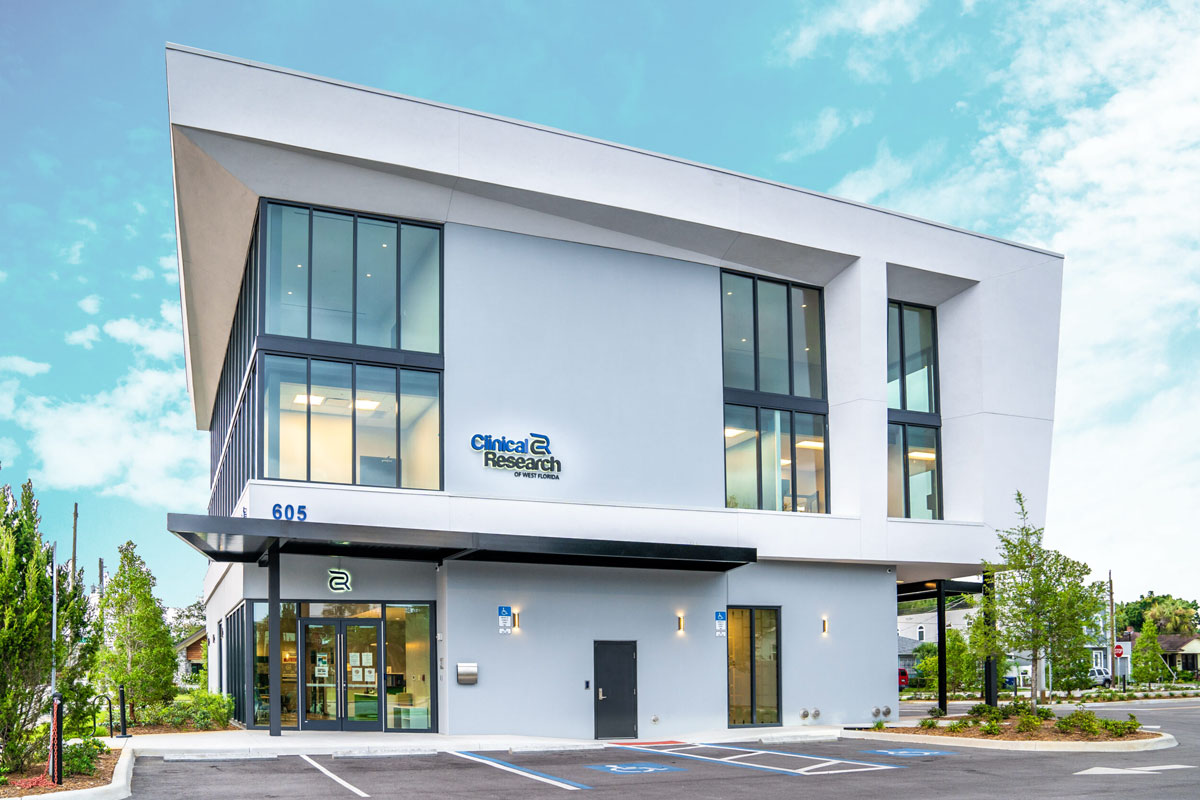
605 N. Howard Ave.
Tampa, FL 33606
813-870-1292

Protocol: M23-699 | Indication: Lupus / Systemic Lupus Erythematosus (SLE)

What To Know About Volunteering For Our Systemic Lupus SLE Clinical Trial

Clinical trial participation is always voluntary. You can withdraw at any time during the process. The steps to start a clinical trial involve identifying a potential trial, discussing eligibility with the study investigators (doctors), signing informed consent, undergoing screening tests, and then being enrolled in the trial if deemed suitable.


Tampa Lupus Study

Step 1:

Determine Eligibility

Fill out our online form to see if you can participate in the Lupus Clinical Trial.

SLE Clinical Study

Step 2:

Participate In The Study

This Lupus study has 22 visits over 24 months.

Paid Lupus Clinical Study

Step 3:

Compensation For Time/Travel

Visits are at least 2 weeks apart, but space out to 12 weeks after week 56.

Why Join This Trial?

For patients that have a confirmed lupus diagnosis, taking part in a clinical trial may be an option for exploring new treatment options that help manage and control these symptoms.

  • Study-related exams at no cost

  • Insurance not required

  • Access to new treatments that may be more effective than standard treatments

  • Advance the future of medicine

Lupus Study

Official Registered Study

These clinical trials are officially registered with the U.S. National Library of Medicine. You can view full study details, including eligibility and locations, at ClinicalTrials.gov under study numbers NCT06559163, NCT05352919, NCT05648500, NCT06411249, NCT07260877, NCT07409181 and NCT06977724.

want to learn more?

What is Systemic Lupus Erythematosus (SLE)?

Systemic Lupus Erythematosus (SLE), commonly known as lupus, is a chronic autoimmune disease that occurs when the body’s immune system mistakenly attacks its own tissues and organs. This abnormal immune response can cause inflammation and damage in various parts of the body, including the skin, joints, kidneys, brain, heart, and lungs.

The symptoms of SLE can vary widely between individuals and may include:

  • Fatigue
  • Joint pain or swelling
  • Skin rashes, often worsened by sun exposure
  • Fever
  • Hair loss
  • Chest pain when breathing deeply
  • Kidney problems

Lupus is a complex condition with no known cure, but treatments are available to help manage symptoms and prevent complications. These treatments often involve medications to suppress the immune system and reduce inflammation, as well as lifestyle adjustments to improve overall health.

More Detailed Information

Frequently Asked Questions

Lupus clinical trials at Clinical Research of West Florida are structured research studies designed to evaluate new therapies and treatment protocols for people with lupus. These trials are essential for advancing our understanding of systemic lupus erythematosus and improving the standard of care for patients. During these studies, participants may be given study medication, which is compared against a placebo or existing treatments in a double-blind randomized format. This means neither the participant nor the researcher knows who is receiving which treatment, ensuring unbiased results and increased tolerability for all involved.

Participants in lupus clinical trials can expect a comprehensive evaluation of their health by medical professionals specializing in lupus research. This includes regular health assessments, laboratory tests, and monitoring of any side effects or reactions to the study medication. Additionally, participants receive personalized clinical care that may include education about their condition and support from our dedicated research team. This structured approach not only furthers lupus clinical research but also provides participants with valuable insights into managing their disease.

Current lupus clinical trials are exploring a variety of innovative treatments aimed at moderate to severe systemic lupus. These therapies may include biologics, small molecules, and other novel agents designed to target specific pathways in the immune system. The goal is not only to alleviate symptoms but also to modify the disease course and enhance the quality of life for patients with lupus. Participating in these trials gives individuals access to the latest advancements in lupus research.

Understanding Placebo-Controlled Studies in Lupus Research

Placebo-controlled studies are a critical component of lupus clinical trials. In these studies, one group of participants receives the new therapy while another group receives a placebo. This design helps researchers evaluate the efficacy of the study medication more accurately. Understanding the role of placebos is crucial for potential participants, as it ensures that the findings from the trials are reliable and can lead to meaningful advancements in lupus treatment.

Evaluating the Efficacy of New Lupus Therapies

Evaluating the efficacy of new lupus therapies involves rigorous testing and monitoring throughout the clinical trial process. Researchers assess how well the new treatments work in reducing disease activity, improving symptoms, and enhancing overall patient well-being. This evaluation process is vital for determining whether a new therapy will become part of the standard of care for patients with systemic lupus erythematosus. By participating in these trials, individuals can play an essential role in this transformative research.

Access to Cutting-Edge Treatments for Systemic Lupus Erythematosus

One of the most significant benefits of participating in lupus clinical trials is access to cutting-edge treatments that may not yet be available to the general public. Participants have the unique opportunity to try innovative therapies that could potentially provide relief from their symptoms and improve their quality of life. This access can be particularly beneficial for those with moderate to severe systemic lupus who may find limited options in existing treatments.

Contributing to Groundbreaking Lupus Research

By joining our clinical trials CRWF, participants contribute to groundbreaking lupus research that can lead to better treatments and an enhanced understanding of this complex autoimmune disease. Their involvement helps pave the way for future generations of patients to benefit from improved therapies. This sense of purpose can be incredibly empowering for individuals navigating the challenges of lupus.

Potential for Enhanced Clinical Care and Support

Participants in lupus clinical trials often receive enhanced clinical care and support throughout the study duration. This includes regular check-ins, personalized treatment plans, and comprehensive health assessments. Additionally, participants benefit from the expertise of medical professionals specializing in lupus, which can lead to improved management of their condition. This level of attention and care can be a significant advantage for those struggling with systemic lupus erythematosus.

The Importance of Double-Blind Randomized Studies

The integrity of lupus clinical trials relies heavily on the double-blind randomized study design. This methodology minimizes bias and ensures that the results are a true reflection of the therapy’s efficacy and tolerability. Participants can feel confident knowing that their contributions to lupus research are being conducted under rigorous scientific standards, which ultimately helps in establishing effective treatments.

Ensuring Participant Safety and Tolerability During Trials

Participant safety is a top priority during lupus clinical trials. Researchers implement strict protocols to monitor tolerability and manage any potential side effects of the study medication. Regular health assessments and open communication between participants and the research team are essential components of this process. By prioritizing safety, we ensure that all participants can engage in lupus clinical research with confidence.

Adhering to Standard of Care in Lupus Clinical Research

In addition to testing new therapies, lupus clinical trials adhere to the standard of care for patients with systemic lupus erythematosus. This means that participants receive appropriate treatment and care, even as they engage in research activities. This commitment to maintaining high standards ensures that participants are not only contributing to lupus studies but also receiving the best possible care during their involvement.

lupus study questions

Lupus Clinical Trial FAQs

Systemic lupus erythematosus (SLE), commonly called lupus, is a chronic autoimmune disease in which the immune system mistakenly attacks the body’s own tissues and organs. This abnormal immune response causes inflammation and damage in areas including the skin, joints, kidneys, brain, heart, and lungs. Common symptoms include fatigue, joint pain and swelling, skin rashes often worsened by sun exposure, fever, hair loss, chest pain when breathing deeply, and kidney problems. While there is no cure, treatments are available to manage symptoms and prevent complications.

To be eligible for a lupus clinical trial at Clinical Research of West Florida, participants must be age 18 or older, have a clinical diagnosis of lupus for at least 6 months, have positive serology (ANA+, anti-dsDNA, or anti-Smith+), and have active disease activity with current lupus symptoms. Final eligibility is confirmed through a screening visit with the study team at either the Clearwater or Tampa facility.

ANA (antinuclear antibody), anti-dsDNA (anti-double-stranded DNA), and anti-Smith are blood tests that detect specific autoantibodies commonly found in people with systemic lupus erythematosus. A positive ANA is present in the vast majority of lupus patients, while anti-dsDNA and anti-Smith are more specific to lupus and often used to confirm the diagnosis. These test results help doctors distinguish lupus from other autoimmune conditions and are typically required for clinical trial eligibility.

Participants in the CRWF lupus clinical trial may receive up to $2,150 in compensation for time and travel for completed study participation. Study-related care is provided at no cost and no health insurance is required to participate.

The CRWF lupus clinical trial involves 22 office visits over a study period of 24 months at the Clearwater or Tampa facility. Visits are scheduled at least 2 weeks apart and space out to every 12 weeks after week 56. Participation is entirely voluntary and participants may withdraw at any time. Participants continue to receive appropriate standard-of-care lupus treatment throughout the study.

Current lupus clinical trials are investigating biologic therapies, small-molecule drugs, and novel agents designed to target specific immune pathways involved in SLE. These investigational treatments are being studied to see whether they may reduce disease activity, manage flares, help prevent organ damage, and improve quality of life for people with lupus whose disease is not fully controlled by existing medications.

Yes. CRWF is currently conducting seven systemic lupus erythematosus clinical trials officially registered with the U.S. National Library of Medicine on ClinicalTrials.gov under study numbers NCT06559163, NCT05352919, NCT05648500, NCT06411249, NCT07260877, NCT07409181, and NCT06977724. Participants can view full study details, eligibility, and locations on the ClinicalTrials.gov website.

Systemic lupus erythematosus (SLE) is a full-body autoimmune disease that can affect many organs including the skin, joints, kidneys, brain, heart, and lungs. Cutaneous lupus erythematosus (CLE) is a form of lupus that primarily affects the skin, causing rashes, lesions, and sun-sensitive skin symptoms. Cutaneous lupus can occur on its own or alongside SLE. CRWF runs separate clinical trials for each condition to match each patient with the appropriate study.

To enroll in a lupus clinical trial in Tampa Bay, call Clinical Research of West Florida in Clearwater at 727-466-0078 or in Tampa at 813-870-1292, or complete the online eligibility form on this page. The study team will review your medical history, confirm eligibility based on your lupus diagnosis, antibody test results, and current symptoms, and schedule a screening visit at the Clearwater facility (2147 NE Coachman Road) or the Tampa facility (605 N. Howard Ave.).

Interested In Learning More

Enroll Now